
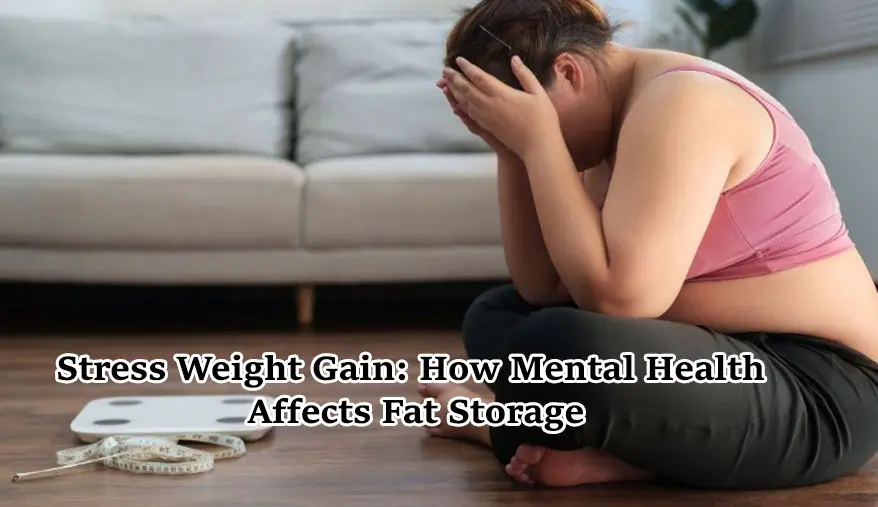
Many people in the UK notice weight gain during stressful periods, even when their diet and activity levels have not changed significantly. This is not a coincidence. Stress weight gain is a real and well-documented response of the body to prolonged mental and emotional pressure. Mental health directly affects how the body stores fat, regulates appetite, and manages energy.
Stress does not only affect mood and sleep — it changes hormone levels, disrupts metabolism, and pushes the body into a survival mode where fat storage becomes a priority. Understanding how stress and mental health influence fat storage is essential for anyone struggling with stubborn weight gain that does not respond to traditional diet and exercise approaches.
What Is Stress Weight Gain?
Stress weight gain refers to an increase in body fat driven primarily by psychological and emotional stress rather than excess calorie intake alone. It often appears gradually and is most noticeable around the abdomen.
Unlike weight gain caused purely by overeating, stress-related weight gain is strongly linked to hormonal changes, particularly elevated cortisol levels.
Stress Weight Gain and the Role of Cortisol
Cortisol is known as the body’s primary stress hormone. It is released during situations that the body perceives as threatening — whether physical or emotional.
In short bursts, cortisol is helpful. It provides energy and sharpens focus. The problem begins when stress becomes chronic.
How Cortisol Drives Stress Weight Gain
When cortisol remains elevated:
-
Fat storage increases
-
Fat breakdown is reduced
-
Muscle tissue may break down
-
Blood sugar levels rise
From a survival perspective, cortisol tells the body to store energy for future threats. In modern life, those threats are rarely physical, but the body reacts the same way.
This hormonal response explains why stress weight gain often occurs even without overeating.
Why Stress Targets Belly Fat
Abdominal fat cells are particularly sensitive to cortisol. They contain a higher number of cortisol receptors than fat stored elsewhere in the body.
This is why people under prolonged stress often notice:
-
Increased belly fat
-
A thicker waistline
-
Difficulty losing abdominal fat
Stress-related fat storage is a biological response, not a lack of discipline.
Mental Health and Emotional Eating
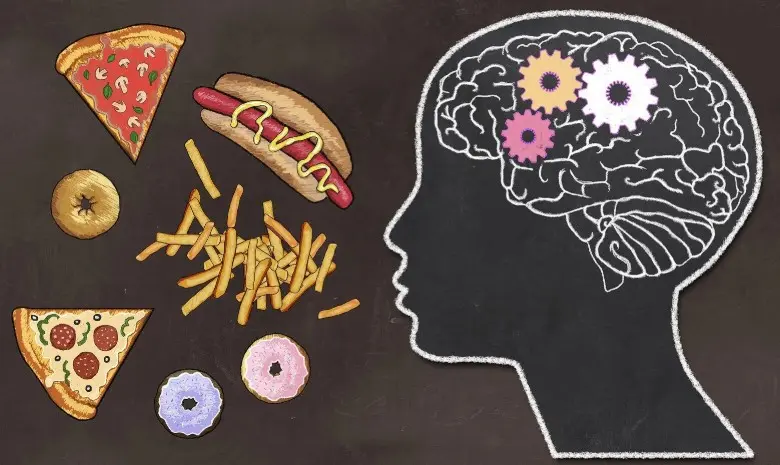
Mental health struggles often change eating behaviours in subtle ways.
Stress, anxiety, and low mood can lead to:
-
Eating for comfort rather than hunger
-
Increased cravings for high-energy foods
-
Irregular meal patterns
-
Late-night snacking
While emotional eating can contribute to weight gain, it is only part of the picture. Even without major changes in food intake, stress hormones alone can encourage fat storage.
How Stress Weight Gain Affects Metabolism
Stress does not only increase fat storage — it also slows fat burning.
When stress is chronic:
-
Metabolism becomes less efficient
-
Insulin sensitivity decreases
-
Energy expenditure drops
This means the body burns fewer calories at rest while storing more fat at the same time.
Stress, Insulin, and Fat Storage
Cortisol raises blood sugar levels to provide quick energy. Elevated blood sugar triggers insulin release. High insulin then blocks fat breakdown and promotes fat storage.
This cycle explains why stress weight gain is so resistant to dieting alone.
Sleep Problems Increase Stress Weight Gain
Poor sleep and stress often go hand in hand.
In the UK, long working hours, screen exposure, and mental overload commonly disrupt sleep patterns. Poor sleep increases cortisol levels and disrupts hunger hormones.
As a result:
-
Appetite increases
-
Cravings intensify
-
Fat storage increases
-
Energy levels drop
Even with a healthy diet, poor sleep can significantly worsen stress-related weight gain.
The Impact of Chronic Stress on Daily Movement
Stress affects not only eating habits but also daily activity.
People under stress often:
-
Sit for longer periods
-
Move less throughout the day
-
Feel mentally exhausted
-
Avoid physical activity
Reduced daily movement lowers energy expenditure, making stress weight gain more likely over time.
Stress Weight Gain and Hormonal Imbalance
Mental health and hormones are closely connected.
Chronic stress can disrupt:
-
Cortisol rhythm
-
Insulin sensitivity
-
Thyroid hormone activity
-
Sex hormone balance
When these systems are affected, fat storage becomes easier and fat loss becomes harder, regardless of food quality.
Why Dieting Harder Often Makes Stress Weight Gain Worse
Many people respond to stress-related weight gain by eating less or exercising more.
Unfortunately, severe calorie restriction and excessive exercise:
-
Raise cortisol further
-
Increase fatigue
-
Slow metabolism
-
Encourage fat retention
This creates a cycle where effort increases but results worsen.
How to Reduce Stress Weight Gain Naturally

Reducing stress weight gain requires addressing mental health alongside physical habits.
Practical Ways to Lower Stress and Support Fat Loss
-
Prioritise sleep quality
-
Eat balanced meals consistently
-
Avoid extreme dieting
-
Include strength training
-
Increase daily movement
-
Practice stress-management techniques
-
Create regular downtime
Simple practices such as walking outdoors, breathing exercises, or reducing screen time can significantly lower cortisol levels over time.
How Long Does It Take to Reverse Stress Weight Gain?
Reducing stress-related weight gain is not instant. Improvements in sleep, mood, and energy usually appear first. Fat loss often follows once cortisol levels stabilise.
Consistency is far more important than intensity.
Final Thoughts
Weight gain is not always about food or willpower. Stress weight gain is a biological response to prolonged mental and emotional pressure. When mental health suffers, the body prioritises protection over fat burning.
By addressing stress, improving sleep, supporting mental wellbeing, and adopting balanced habits, UK adults can reduce stress-related fat storage naturally and sustainably.
When the mind feels safe, the body follows.