
When people think of a slow metabolism, they usually imagine dramatic weight gain or constant tiredness. In reality, metabolism slows quietly and gradually, often without obvious warning signs. Many adults in the UK experience symptoms of a slow metabolism for years without realising what is happening. By the time weight gain or fatigue becomes noticeable, the metabolic slowdown is already well established.
Understanding slow metabolism signs early can make a significant difference. These signs are often mistaken for ageing, stress, or a busy lifestyle. This article highlights the most commonly ignored symptoms of a slow metabolism, explains why they occur, and outlines what actually helps restore metabolic function naturally.
What Does a Slow Metabolism Really Mean?
Metabolism refers to how efficiently your body converts food into energy. A healthy metabolism supports stable energy levels, balanced appetite, and effective fat burning. When metabolism slows, the body burns fewer calories at rest and becomes more efficient at storing energy as fat.
A slow metabolism does not mean your body is broken. It means your body has adapted to stress, under-fueling, lack of movement, or hormonal imbalance.
Slow Metabolism Signs That Often Go Unnoticed
Many people overlook the early warning signs because they seem minor or unrelated to weight.
Slow Metabolism Signs Related to Energy and Temperature
Feeling Cold More Often Than Others
One of the earliest slow metabolism signs is feeling cold even in mild temperatures. Metabolism helps regulate body heat. When it slows, heat production drops, leading to cold hands, feet, and overall chilliness.
Constant Low Energy
Feeling tired despite sleeping enough is often blamed on work stress. In reality, a slow metabolism reduces energy production at a cellular level, leaving you feeling flat throughout the day.
Difficulty Losing Weight Despite Effort
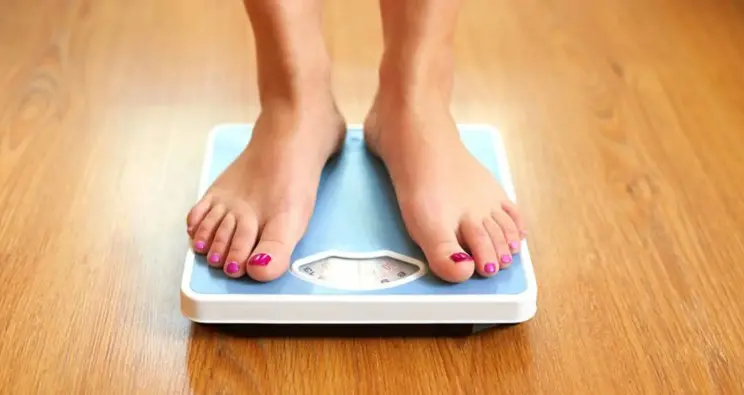
You may eat sensibly, exercise regularly, and still see no progress. This is one of the most frustrating slow metabolism signs.
When metabolism slows:
-
The body burns fewer calories
-
Fat breakdown becomes inefficient
-
Weight loss stalls even in a calorie deficit
This is common among UK adults who have dieted repeatedly over the years.
Digestive and Appetite-Related Slow Metabolism Signs
Slow Digestion and Bloating
A sluggish metabolism often affects digestion. Food moves more slowly through the digestive system, leading to bloating, constipation, and discomfort after meals.
Reduced Appetite Followed by Sudden Cravings
People with a slow metabolism may not feel hungry during the day but experience strong cravings in the evening. This pattern reflects disrupted hunger hormones and unstable blood sugar.
Why Irregular Eating Worsens Slow Metabolism Signs
Skipping meals or eating inconsistently signals the body to conserve energy. Over time, this reinforces metabolic slowdown and worsens appetite control.
Hair, Skin, and Nail Changes
Changes in appearance are often overlooked as normal ageing.
Common signs include:
-
Thinning hair
-
Dry skin
-
Brittle nails
These symptoms occur because the body prioritises essential functions over hair and skin maintenance when energy availability is low.
Slow Metabolism Signs Linked to Hormones
Hormones play a major role in metabolic speed.
Increased Sensitivity to Stress
If small stressors feel overwhelming, it may indicate elevated cortisol levels. Chronic stress slows metabolism by encouraging energy conservation and fat storage.
Changes in Menstrual Cycle or Libido
In women, irregular cycles can be linked to metabolic slowdown. In men, reduced libido and energy may reflect hormonal shifts associated with reduced metabolic activity.
Feeling Weaker Despite Exercise
If workouts feel harder than they used to and strength declines despite training, metabolism may be slowing.
Muscle tissue supports metabolism. When muscle mass drops due to under-fueling or excessive cardio, metabolic rate falls with it.
Why Over-Exercising Can Trigger Slow Metabolism Signs

Exercising intensely without adequate recovery increases stress hormones and encourages the body to slow energy use as a protective response.
Poor Sleep Quality
A slow metabolism often disrupts sleep.
Common patterns include:
-
Difficulty falling asleep
-
Waking during the night
-
Feeling unrefreshed in the morning
Poor sleep further slows metabolism, creating a cycle that is difficult to break.
Mood Changes and Low Motivation
Low motivation, irritability, and brain fog are frequently ignored slow metabolism signs. The brain requires significant energy, and when energy production drops, mental clarity and mood are affected.
Why Slow Metabolism Is So Common in the UK
Several lifestyle factors contribute to widespread metabolic slowdown:
-
Long working hours
-
High stress levels
-
Sedentary routines
-
Repeated dieting
-
Poor sleep habits
Over time, these factors signal the body to conserve energy rather than burn it.
What Actually Helps Reverse Slow Metabolism Signs
Fixing metabolism is not about extreme dieting or endless cardio. It is about restoring balance.
Practical Ways to Support Metabolism Naturally
-
Eat enough calories consistently
-
Include protein at every meal
-
Add strength training 2–3 times per week
-
Reduce chronic stress
-
Improve sleep quality
-
Increase daily movement
-
Avoid long periods of under-eating
These changes tell the body it is safe to burn energy again.
How Long Does It Take to Improve Metabolism?
Metabolic recovery is gradual. Energy levels and sleep often improve first. Weight changes follow once the body exits survival mode.
Consistency over weeks and months produces lasting results.
Final Thoughts
Slow metabolism does not happen overnight, and neither does recovery. Slow metabolism signs are often subtle and easy to ignore, but recognising them early can prevent long-term weight and health issues.
By supporting your body with adequate fuel, balanced movement, stress management, and proper rest, metabolism can recover naturally — and with it, energy, mood, and fat-burning ability.