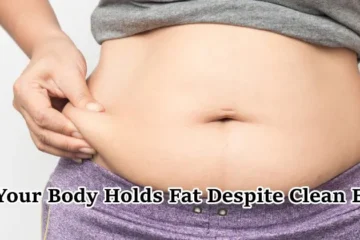
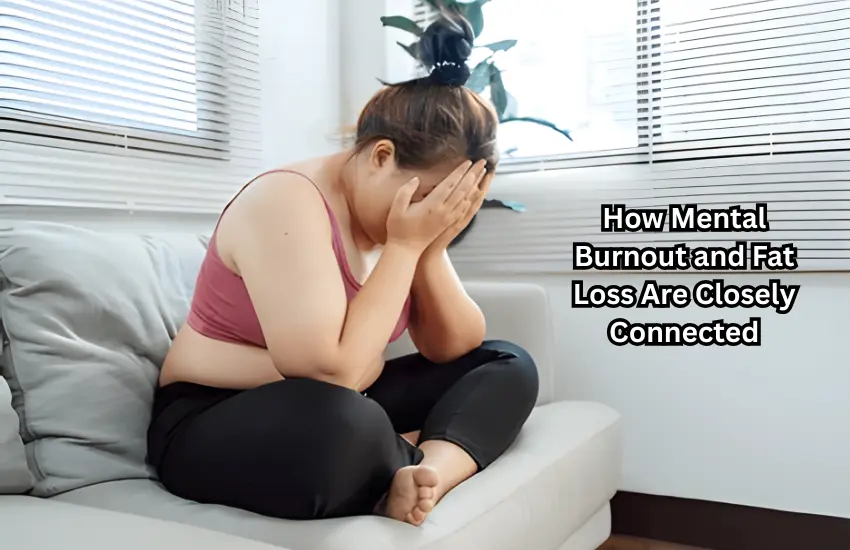
Across the UK, many people approach fat loss with strong determination. They follow structured meal plans, join gyms, track calories, and commit to routines. Yet despite their effort, progress often stalls. Energy dips, motivation fades, and cravings increase.
In many cases, the missing piece is not discipline or diet quality. It is mental burnout.
Mental burnout and fat loss are more closely connected than most people realize. When the brain is under prolonged stress, the body shifts into survival mode. This affects hormones, metabolism, appetite, and recovery — all of which influence body composition.
Understanding this connection can explain why weight loss feels harder during stressful periods of life.
What Mental Burnout Really Means
Mental burnout is more than simply feeling tired after a long week. It is a state of prolonged emotional and cognitive exhaustion caused by chronic stress.
In the UK, common contributors include:
-
High workload and long working hours
-
Financial pressure and cost-of-living stress
-
Commuting and lack of downtime
-
Family responsibilities
-
Constant digital connectivity
Over time, the nervous system remains in a heightened state of alert. The body no longer distinguishes between workplace stress and physical danger. It simply responds as if it needs to conserve energy.
This is where mental burnout and fat loss begin to conflict.
Cortisol: The Stress Hormone That Slows Fat Loss
When stress becomes chronic, the body produces elevated levels of cortisol.
Cortisol is not harmful in short bursts. It helps us wake up, stay alert, and respond to challenges. However, when levels remain high for extended periods, it creates several barriers to fat loss:
-
Encourages fat storage, particularly around the abdomen
-
Increases cravings for high-sugar and high-fat foods
-
Disrupts sleep patterns
-
Reduces muscle recovery
-
Lowers metabolic efficiency
Even if calorie intake is controlled, elevated stress can make fat loss slower and less predictable.
Burnout Reduces Daily Energy Expenditure
When someone feels mentally exhausted, physical movement often decreases without them noticing.
They may:
-
Sit more during the day
-
Skip walks or workouts
-
Avoid active hobbies
-
Feel too tired for strength training
This reduction in spontaneous movement lowers overall calorie burn. The body becomes more energy-efficient — not because it is “broken”, but because it is trying to cope with ongoing stress.
Mental burnout and fat loss are linked through this subtle shift in behavior.
Sleep Disruption Makes Everything Harder
Sleep is one of the first things to suffer during periods of burnout.
Many UK adults report difficulty falling asleep, waking during the night, or feeling unrefreshed in the morning. Poor sleep affects fat loss by:
-
Increasing hunger hormones
-
Reducing insulin sensitivity
-
Raising cortisol further
-
Lowering training performance
-
Increasing fatigue and food cravings
A person can follow a well-structured nutrition plan, but if sleep is compromised, progress will often stall.
Emotional Fatigue and Comfort Eating
Mental burnout also influences decision-making.
When cognitive resources are depleted, self-regulation becomes harder. This often leads to:
-
Emotional eating
-
Late-night snacking
-
Increased takeaway consumption
-
Reduced meal preparation
- Mental burnout and fat loss
These behaviors are not signs of weakness. They are natural responses to exhaustion. The brain seeks quick energy and comfort when under pressure.
Understanding this reduces guilt and allows for more practical solutions.
Overtraining Can Worsen Burnout
Some people respond to stalled fat loss by training harder. While exercise is beneficial, excessive high-intensity training during burnout can backfire.
Too much intense exercise:
-
Raises cortisol further
-
Increases physical fatigue
-
Disrupts recovery
-
Reduces motivation
- Mental burnout and fat loss
The body interprets excessive training as another stressor. Instead of accelerating fat loss, it may slow it further.
This is why mental burnout and fat loss must be addressed together.
Signs Burnout Is Affecting Your Fat Loss
Common indicators include:
-
Persistent fatigue despite adequate food
-
Plateaued weight loss
-
Increased abdominal fat storage
-
Irritability and low mood
-
Strong cravings in the evening
-
Decreased workout performance
-
Poor sleep quality
- Mental burnout and fat loss
If these signs appear alongside high life stress, the focus may need to shift from stricter dieting to recovery.
How to Support Fat Loss During Burnout
The solution is not more restriction. It is restoring balance.
Practical steps include:
1. Priorities Sleep
Aim for 7–9 hours of consistent sleep. Reduce late-night screen use and establish a regular bedtime routine.
2. Reduce Training Intensity Temporarily
Switch some high-intensity sessions to walking, light resistance training, or mobility work. Movement should feel supportive, not exhausting.
3. Eat Regular, Balanced Meals
Skipping meals increases stress signals. Regular meals with protein, fiber, and healthy fats stabilize blood sugar and reduce cravings.
4. Increase Low-Stress Movement
Gentle daily walks, particularly outdoors, help regulate stress hormones and improve mental clarity.
5. Address Workload Where Possible
While not all stressors can be removed, small adjustments — clearer boundaries, scheduled breaks, or reduced overtime — can make a difference.

Fat Loss Is Easier in a Regulated Nervous System
When the nervous system feels safe, the body is more willing to release stored energy.
As burnout decreases, people often notice:
-
Improved energy levels
-
Better sleep
-
Reduced cravings
-
Stronger training sessions
-
Gradual, steadier fat loss
- Mental burnout and fat loss
The scale may not move immediately, but internal balance improves first. Fat loss follows once the body no longer feels under threat.
Sustainable Progress Requires Recovery
In UK culture, productivity is often prioritized over rest. However, long-term fat loss is not achieved through constant pressure.
Mental burnout and fat loss are linked because the body cannot differentiate between emotional stress and physical stress. Both require recovery.
Rather than asking, “How can I push harder?”, a more effective question may be, “How can I recover better?”
Final Thoughts
Mental burnout and fat loss are deeply connected. Chronic stress disrupts hormones, reduces movement, impairs sleep, and increases cravings — all of which slow physical progress.
For many people across the UK, the path forward is not stricter dieting or harsher workouts. It is reducing stress, improving recovery, and supporting overall wellbeing.