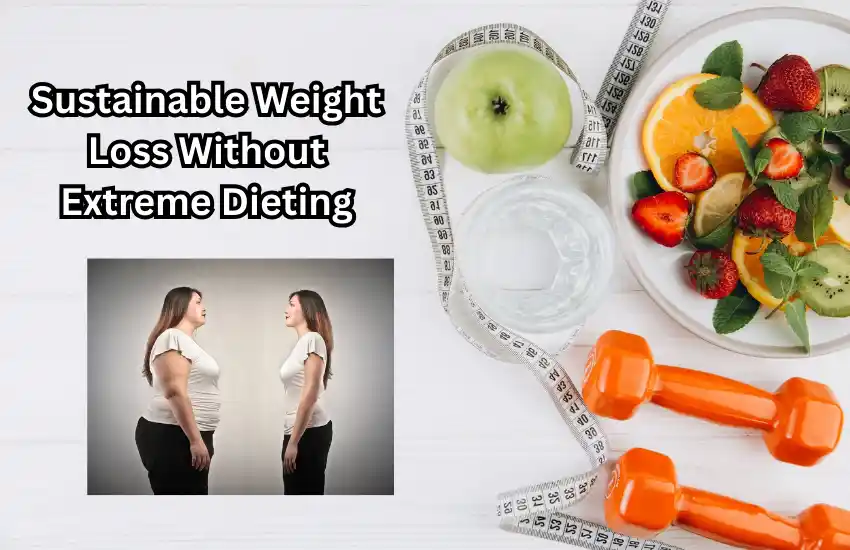
For many people in the UK, weight loss often begins with strict rules, food elimination, and extreme discipline. While these methods may produce short-term results, they rarely last. Weight is lost quickly, only to return months later — sometimes with extra pounds. This is why sustainable weight loss has become an increasingly important topic. Sustainable weight loss focuses on long-term habits rather than temporary restriction.
Extreme dieting places the body under stress, slows metabolism, and disrupts hormones that regulate appetite and fat storage. Sustainable weight loss, on the other hand, works with the body instead of against it. This article explains why extreme diets fail, what sustainable weight loss really means, and how UK adults can lose fat without damaging their health or lifestyle.
Why Extreme Dieting Rarely Works Long Term
Extreme dieting often promises rapid results, but the body responds defensively.
Common issues with extreme dieting include:
-
Slowed metabolism
-
Increased hunger and cravings
-
Muscle loss
-
Hormonal imbalance
-
Weight regain
From a biological perspective, severe restriction signals danger. The body reacts by conserving energy and storing fat more efficiently once normal eating resumes. This cycle explains why many people repeatedly lose and regain weight.
Sustainable Weight Loss and How the Body Responds
Sustainable weight loss works because it creates an environment where the body feels safe enough to release stored fat.
When weight loss is gradual and consistent:
-
Metabolism remains active
-
Muscle mass is preserved
-
Hormones stay balanced
-
Energy levels remain stable
Instead of fighting the body, sustainable approaches support natural fat burning.
Sustainable Weight Loss Is About Habits, Not Willpower
One of the biggest misconceptions is that weight loss depends on motivation alone. In reality, habits matter far more than discipline.
Sustainable weight loss is built on:
-
Consistent meal patterns
-
Balanced nutrition
-
Manageable activity levels
-
Adequate recovery
These habits are easier to maintain in real UK lifestyles that include work, family, and social commitments.
Why Eating Less Is Not Always the Answer
Many people believe eating less is the key to weight loss. While a calorie deficit is necessary, extreme restriction often backfires.
Undereating for long periods can:
-
Increase cortisol (stress hormone)
-
Reduce thyroid activity
-
Slow fat burning
-
Increase binge-eating risk
Sustainable weight loss requires eating enough to support metabolism, not starving it.
Sustainable Weight Loss Without Cutting Food Groups
Eliminating entire food groups is one of the most common dieting mistakes.
Carbohydrates, fats, and proteins all play important roles in the body. Removing one completely often leads to nutrient deficiencies, low energy, and poor adherence.
A sustainable approach focuses on:
-
Portion control
-
Food quality
-
Balance, not restriction
This makes weight loss realistic and socially manageable.
The Role of Protein in Sustainable Fat Loss
Protein is essential for maintaining muscle mass and controlling appetite.
Benefits of adequate protein intake include:
-
Reduced hunger
-
Better blood sugar control
-
Preservation of muscle
-
Higher calorie burn at rest
Including protein at each meal supports sustainable weight loss without the need for strict dieting rules.
Strength Training vs Endless Cardio
Many people rely heavily on cardio for weight loss. While cardio has health benefits, it is not enough on its own.
Strength training:
-
Preserves muscle
-
Boosts metabolism
-
Improves insulin sensitivity
-
Enhances body composition
Combining moderate cardio with strength training produces far better long-term results than cardio alone.
Sustainable Weight Loss and Lifestyle Factors
Weight loss does not happen in isolation. Lifestyle factors strongly influence fat storage and fat burning.
Sleep Quality
Poor sleep increases hunger hormones and reduces insulin sensitivity. Many UK adults underestimate how much poor sleep affects weight.
Stress Management
Chronic stress raises cortisol levels, encouraging fat storage — particularly around the abdomen. Managing stress is essential for sustainable weight loss.

Why Consistency Beats Perfection
Extreme diets often fail because they demand perfection. One “bad” day leads to guilt, followed by giving up completely.
Sustainable weight loss allows flexibility. Occasional indulgences do not undo progress when habits are consistent overall.
This mindset reduces stress and supports long-term success.
How Long Does Sustainable Weight Loss Take?
Sustainable fat loss is slower, but far more reliable.
A healthy rate of weight loss is:
-
Around 0.5–1 kg per week for many adults
Slower progress protects muscle mass and reduces the risk of weight regain.
Common Mistakes That Block Sustainable Weight Loss
Many people unintentionally sabotage their progress by:
-
Eating too little
-
Skipping meals
-
Over-exercising
-
Ignoring sleep
-
Expecting rapid results
Avoiding these mistakes makes sustainable weight loss far more achievable.
How to Achieve Sustainable Weight Loss in Daily Life
Practical, Real-World Strategies
-
Eat regular, balanced meals
-
Include protein, fiber, and healthy fats
-
Strength train 2–3 times per week
-
Walk daily and stay active
-
Priorities sleep
-
Manage stress intentionally
These habits support fat loss without extreme dieting or constant restriction.
Final Thoughts
Sustainable weight loss is not about doing more — it is about doing what works consistently. Extreme dieting may offer quick results, but it often damages metabolism and mental wellbeing.
By focusing on balanced nutrition, realistic activity, adequate rest, and long-term habits, UK adults can lose weight in a way that lasts. When weight loss fits into your life instead of controlling it, results become sustainable — and far less stressful.